
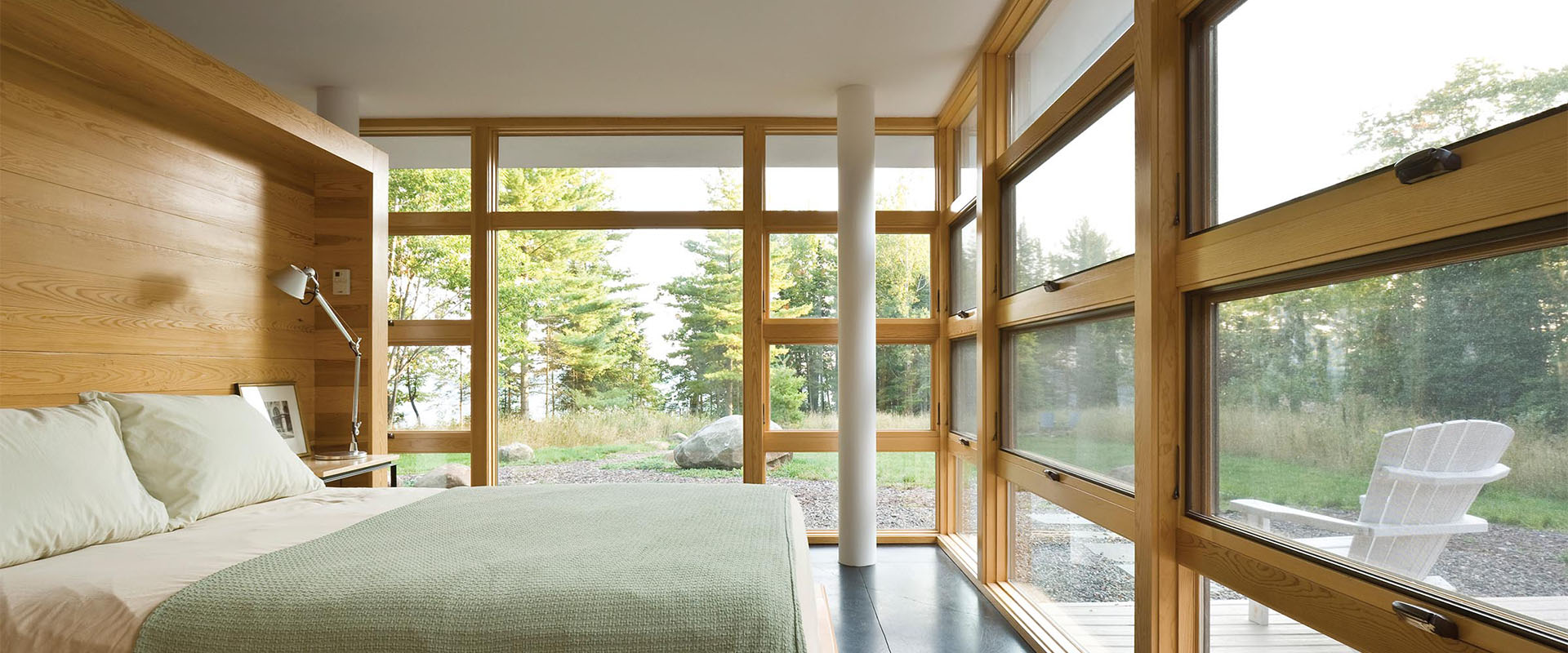
Do Sunrooms Add Value to Your Home in South Carolina?
For homeowners in Myrtle Beach, South Carolina, adding a sunroom can create a brighter, more comfortable place to enjoy backyard views and spend time with family. But does a sunroom add value to your home?
A well-designed sunroom can contribute to your home’s value and appeal, but the amount depends on its construction, comfort, project cost, and local market conditions. There is no guaranteed return, and a sunroom does not automatically count toward your home’s finished living area.
Understanding these differences can help you plan an addition that supports both your everyday lifestyle and your long-term goals.
Understanding the Value a Sunroom Can Add
A professionally designed sunroom can make your home more functional by creating space for relaxing, entertaining, or enjoying natural light. The value comes from how well that space works with the rest of your home—not simply its size.
For example, a comfortable room connected to your main living area may be more useful than an enclosure that is difficult to access or becomes too hot during summer afternoons. Thoughtful placement, suitable materials, and a practical layout all help make the addition feel like a natural part of the house.
Resale value is a separate consideration. The amount a buyer is willing to pay depends on comparable homes, neighborhood expectations, and the condition of the overall property. Construction costs alone do not establish how much value an addition will contribute.
Why Sunrooms Make Sense for Coastal South Carolina Living
Myrtle Beach and the Grand Strand offer opportunities to enjoy outdoor views throughout the year, but South Carolina’s hot, humid summers and cooler winter weather can affect comfort.
A sunroom provides an enclosed setting where you can enjoy daylight and views with less exposure to insects and rain. With the appropriate insulation and heating and cooling, a four-season sunroom can also provide a comfortable place to gather during weather that would make an open patio less inviting.
For homeowners in North Myrtle Beach, Conway, Surfside Beach, and nearby communities, that flexibility can support many routines: morning coffee, reading, family meals, or an afternoon spent overlooking the garden.
The key is matching the sunroom’s design to your expectations. An enclosed room intended for mild weather will perform differently from an insulated addition designed for daily, year-round use.
Key Factors That Influence a Sunroom’s Added Value
Type of Sunroom and Seasonal Comfort
Three-season and four-season sunrooms offer different levels of comfort and investment.
A three-season sunroom provides an enclosed area for use during suitable weather, but it may have limited insulation and temperature control. A four-season sunroom incorporates insulation and climate control to support use throughout the year.
Greater usability can make a four-season room appealing, but it does not guarantee a higher percentage return on its construction cost. Choose the design based on how often you plan to use the room and the features that matter most to your household.
Quality of Construction and Integration
A sunroom should complement your home’s architecture and connect comfortably to its existing layout. Rooflines, exterior finishes, window proportions, and flooring transitions influence whether the space feels cohesive.
Construction details matter just as much as appearance. Ask how the project will address the foundation, roof connection, flashing, drainage, and materials appropriate for coastal exposure. These details help protect the addition and the adjoining home.
A carefully planned room can provide lasting enjoyment, while unresolved leaks or maintenance problems can reduce its usefulness and appeal.
Energy Efficiency and Temperature Control
Large windows bring in daylight, but they also influence heat gain and heat loss. In coastal South Carolina, summer comfort should be part of the design discussion from the beginning.
Consider window performance, insulation, roof design, shading, and the room’s orientation together. Glass selected to limit solar heat gain can help manage incoming heat, while appropriate heating and cooling support comfortable temperatures.
Adding air conditioning alone does not make an otherwise uninsulated enclosure perform like a four-season room. Your contractor should explain how the entire design will support your intended use.
Functionality and Layout
A flexible sunroom can accommodate changing needs. You might use it as a breakfast area today and a reading room or gathering space later.
Plan enough room for furniture, walkways, electrical outlets, and comfortable access to the house and backyard. Think about glare if you expect to use a computer or television, and consider privacy if the room faces neighboring homes.
These practical choices help make the space useful beyond its initial visual appeal.
Does a Sunroom Count as Finished Square Footage?
Adding an enclosure does not automatically increase the finished living area reported for your home. How a sunroom is measured and classified depends on its construction and the applicable appraisal or measurement standards.
A seasonal room may be reported separately from the home’s main finished area. That does not necessarily mean it has no value; it means its contribution should be assessed appropriately. Measurement classifications and market value are distinct considerations.
If increasing recognized finished square footage is a major goal, discuss it before construction. A qualified local appraiser can explain how the proposed room may be treated and which characteristics affect that assessment.
Benefits Beyond Resale Value
A sunroom’s usefulness is not limited to a future sale. It can give your household another place to spend time together, create a quiet retreat, and bring more daylight into your daily routine.
For someone who rarely uses an exposed patio, an enclosed space may make the backyard view more enjoyable. For another homeowner, a simpler screened enclosure may meet their needs at a more suitable budget.
Comparing sunrooms, screened porches, and patios can help you identify which features will make the biggest difference in how you live.
What to Consider Before Adding a Sunroom
Start with your intended use, budget, and expected ownership timeline. If you plan to sell soon, ask a local real estate professional how similar additions are received in your neighborhood. If you expect to stay for years, weigh everyday enjoyment alongside potential resale value.
Request a detailed proposal that explains the room’s seasonal suitability, materials, foundation work, electrical work, climate control, and finishes. Discuss applicable permits and HOA requirements early, and keep project documentation for future reference.
Also consider ongoing expenses, including cleaning, equipment maintenance, and heating and cooling. Understanding the full commitment helps you choose a sunroom that fits your home and priorities.
Enhance Your South Carolina Home With High Top Exterior Solutions
High Top Exterior Solutions creates custom sunrooms for homeowners in Myrtle Beach and surrounding South Carolina communities. Our three-season and four-season options offer different ways to create an inviting space suited to your lifestyle.
Whether you want a bright retreat for mild days or an insulated room for year-round enjoyment, our team can help you explore designs that complement your home. Contact High Top Exterior Solutions today to request a free estimate and begin planning your Myrtle Beach sunroom addition.